
As an Amazon Associate, I earn from qualifying purchases.
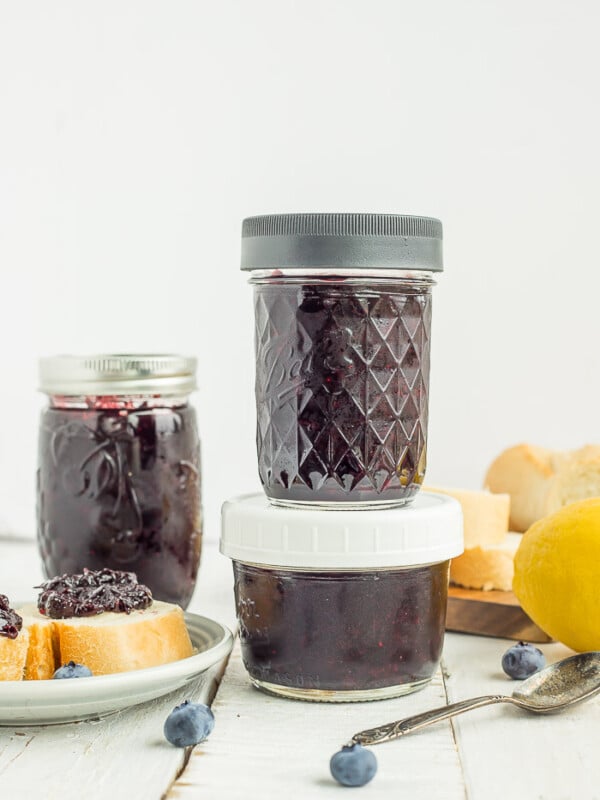
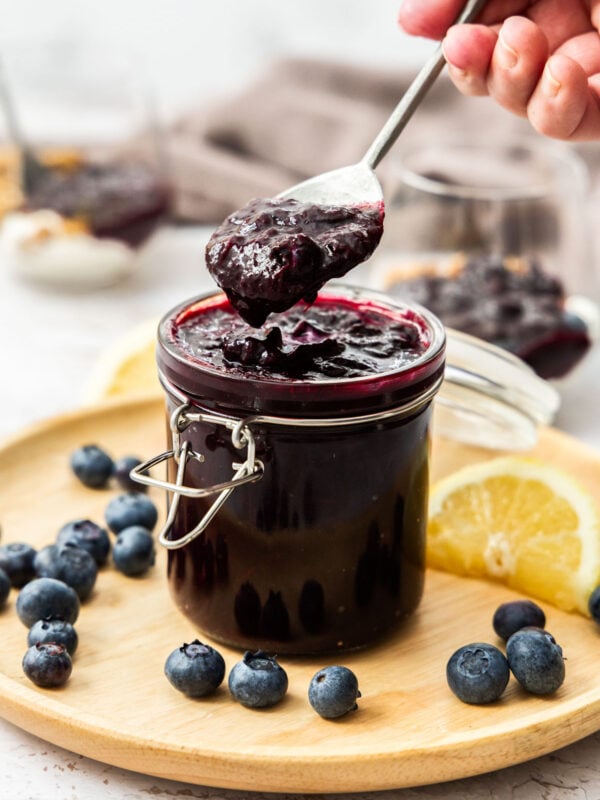
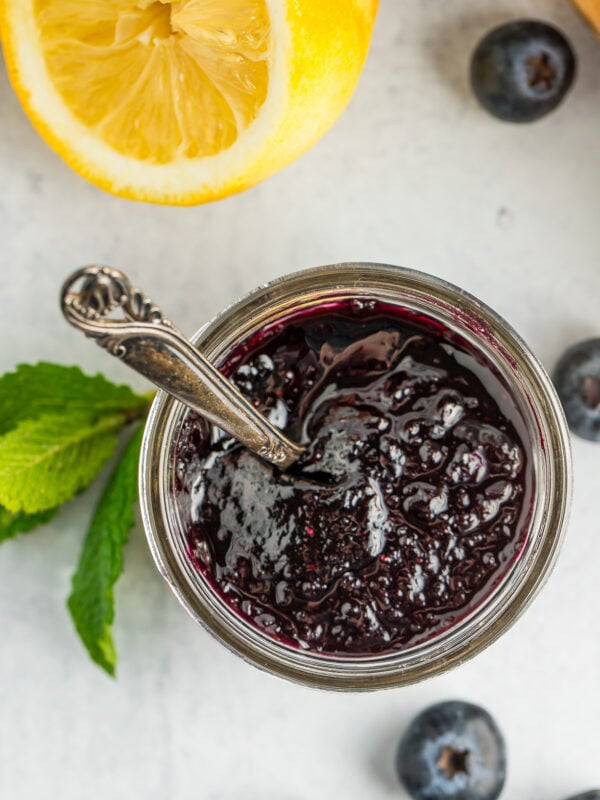
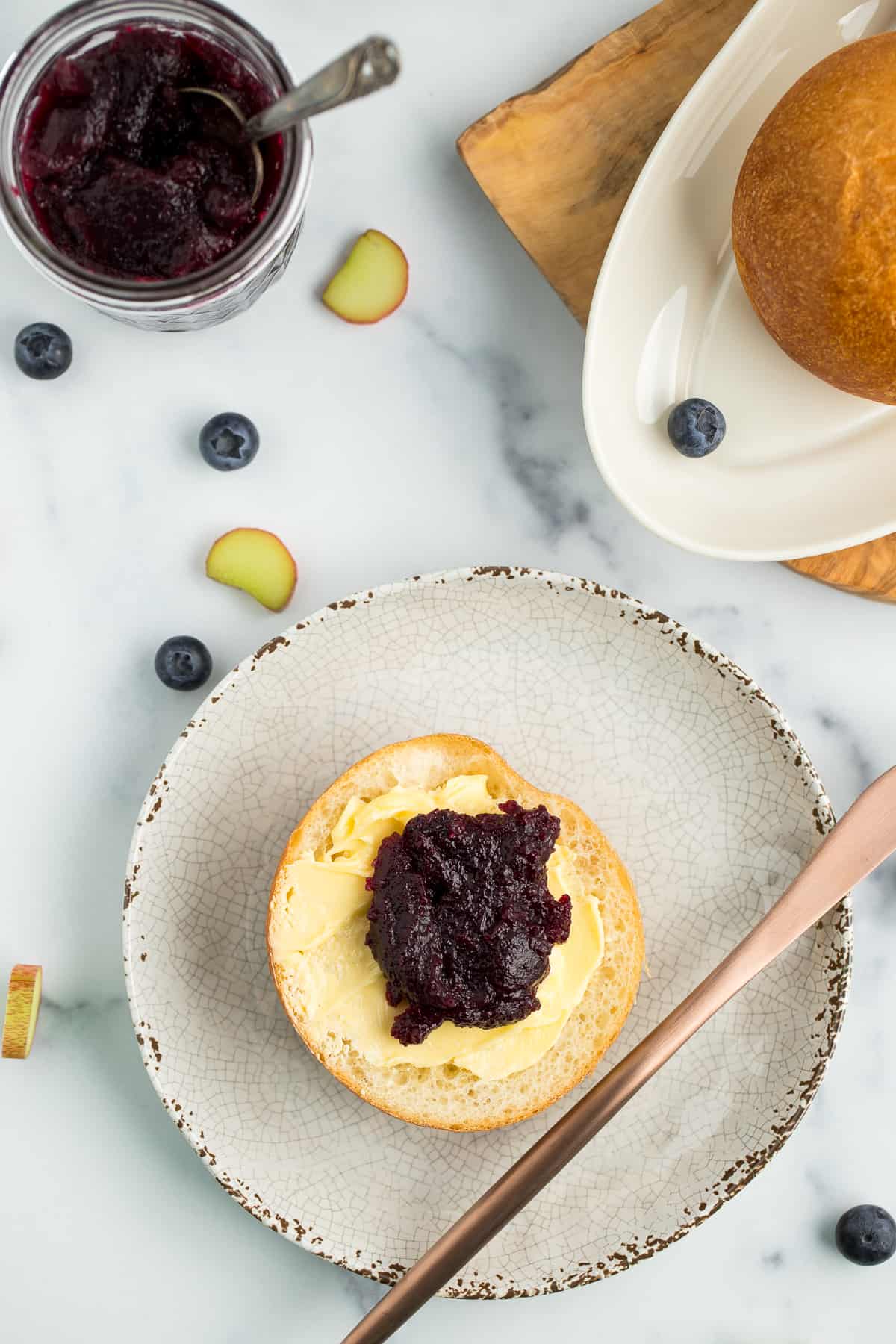
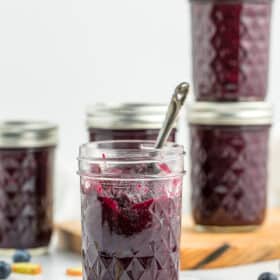
Homemade blueberry rhubarb jam is a delicious spread for toast, yogurt, or dessert recipes. Thanks to the low-sugar recipe, this blueberry jam tastes fresh and bright, just like real fruit.
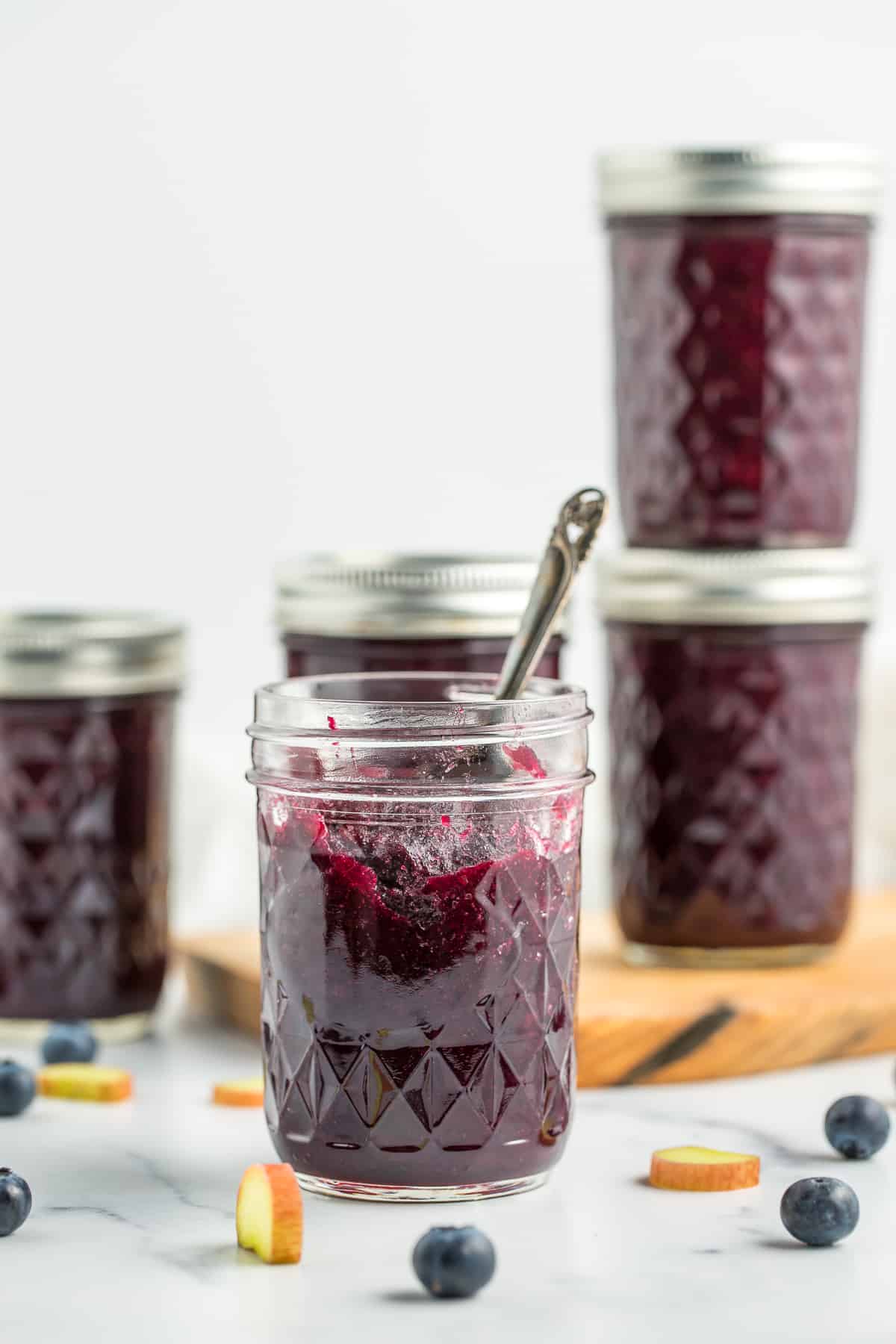
Sure, strawberry rhubarb jam is an amazing combination, but it gets all the glory. Let me introduce you to the magical, lesser-known pairing of blueberry and rhubarb!
The cool kids call it “bluebarb”, and one bite of this homemade jam and it might just sway you away from thinking strawberry rhubarb is the only way.
HOW TO MAKE Blueberry RHUBARB JAM
*A detailed and printable recipe is available at the bottom of this post
CANNING PREP
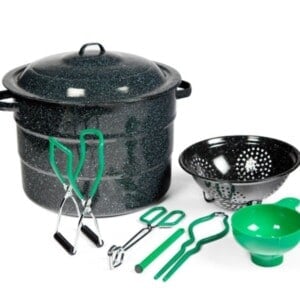
Prepare your water bath canner by filling it halfway with water, and setting it on the stove. Turn the burner to high. Once it reaches a boil, reduce it to a simmer. You want to keep the water hot so that everything is ready when the jam is.
Wash and clean your jars. You’ll want to keep them warm to avoid having them crack when placed in the canner. You can fill them with hot water, or place them on a tray in the oven at 170°F.
Wash your lids and set them aside in a clean place. You no longer need to simmer lids in water to keep them sterile. Woot!
MAKING THE JAM
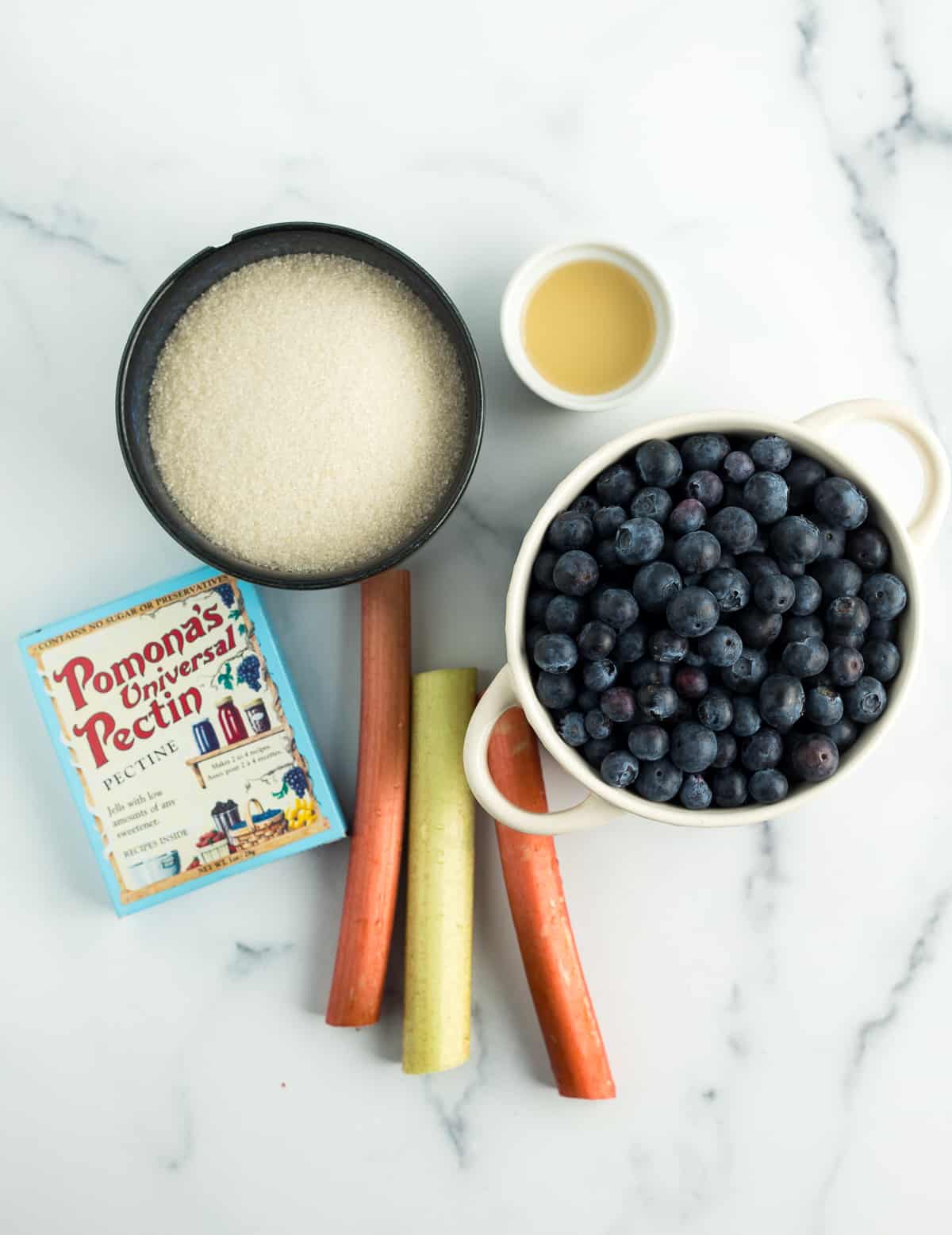
Rinse the blueberries and rhubarb. Remove the leaves and ends of the rhubarb, and chop into small(ish) pieces (see photos below).
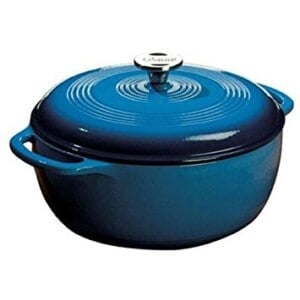
Add the rhubarb to a heavy-bottomed saucepan (I used my dutch oven) with 1/2 cup of water. Cook on medium heat, stirring often until the rhubarb softens. You’ll need about 4 cups of fresh sliced rhubarb to yield 1.5 cups of cooked rhubarb.
Stir in the blueberries and continue to cook the mixture until the fruits are combined. As the blueberries soften, they’ll start to split. You can use a pastry cutter or potato masher to gently smash them while they cook.
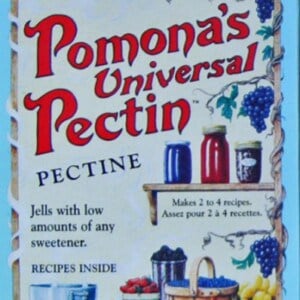
In a small bowl, combine 1/2 tsp calcium powder (in the Pomona’s Pectin box) with 1/2 cup cool water to create calcium water.
In a separate bowl, combine sugar and pectin. Set aside. To prevent clumping, Pomona’s must be mixed with your sweetener before being added to the fruit.
Add the lemon juice and calcium water to the pot with the rhubarb and blueberries and stir. Add the sugar/pectin mixture, and bring it to a rolling boil.
Stir constantly for 3 minutes, turning down the burner to medium if the jam starts popping. Pro tip: actually set a timer and stir for the full three minutes. The constant stirring prevents the jam from burning, and the cooking time is important to help the jam set.

Pro tip: a rolling boil means no amount of stirring will stop the bubbling. Use a long spoon or spatula to avoid any jam popping onto your hand.
At this point, turn the burner under the canner back up to high and get that water boiling again.
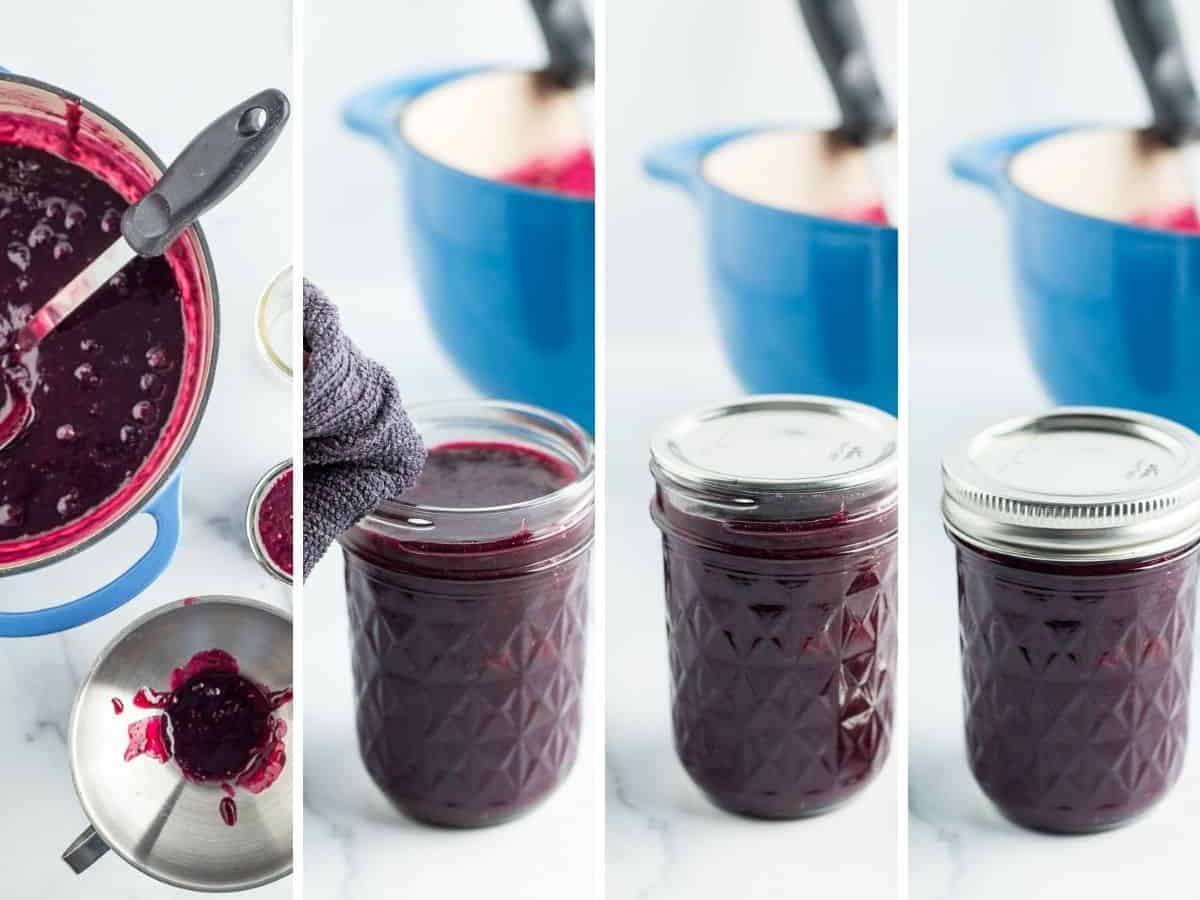
Remove the jam pot from heat, and stir gently for 5 more minutes. At the end of the 5 minutes, remove any foam that remains.
Using the funnel and a ladle, add the jam to your prepared jars, leaving 1/4 inch of headspace at the top. Headspace is the amount of room between the top of the food, and the rim of the jar.
Using a wet clean rag, wipe the rim to make sure there isn’t any sticky jam on there.
Place a clean lid on the jar and then a canning ring. Tighten the ring to fingertip tight (tight enough that it won’t come off, but not so tight that a normal person couldn’t budge it).
Using canning tongs, add your jars to the boiling water, and put the canner lid on. Pro tip: you must have at least 1 inch of water over the tops of the jars for safe canning. Process (boil) for 10 minutes.
Remove the canner from heat, and let sit for 5 minutes. Remove the jars and place them on towels on the counter. Make sure you put them someplace where they can be undisturbed for 12-24 hours.
After everything has cooled, check the seal by pushing down on the middle of the lid. If it doesn’t give way, it’s sealed. Label the jars, and store them in a cool dark place for up to a year. If the lid bows a little bit, put that in the fridge and use it within 3-4 weeks.
PRO TIPS/RECIPE NOTES
- If you prefer a tarter jam, use 2.5 cups of cooked rhubarb and 3 cups of blueberries.
- You can keep an open jar in the fridge for 2-3 weeks. Sealed jars are safely stored at room temperature for up to a year.
- Jam is best when made in small batches. Avoid doubling or tripling the recipe.
- The mixed calcium water will last for three months in the fridge. Shake well before using it in other recipes, such as low-sugar strawberry jam.
- You can reduce the sugar to 1 cup if desired, but you would need to cook the jam down for 8 minutes instead of 3.
Low-Sugar Blueberry Rhubarb Jam
Equipment
Ingredients
- 4 cups blueberries
- 4 cups chopped rhubarb {~1.5 cups cooked}{~3 large stalks}
- 1/2 cup water
- 2 tbsp bottled lemon juice
- 3 tsp Pomona's Pectin
- 1/2 cup cool water {for the calcium powder}
- 3 tsp calcium water {from Pomona's Pectin box}
- 1.5 cups sugar
Instructions
Prep for Canning
- Prepare water bath canner by filling it halfway with water, and setting it on the stove. Turn the burner to high. Once it reaches a boil, reduce it to simmer. You want to keep the water hot so that everything is ready when the jam is.
- Wash and clean your jars. Fill with hot water or keep them warm in a clean dishwasher or oven.
- Wash your lids and set aside in clean place.
Making the Jam
- Rinse the blueberries and rhubarb. Remove the leaves and ends of the rhubarb, and chop into small(ish) pieces. See photos above in post.4 cups blueberries
- Add the clean chopped rhubarb to a heavy-bottomed saucepan with 1/2 cup water.4 cups chopped rhubarb, 1/2 cup water
- Cook on medium heat, stirring often until the rhubarb softens.
- Stir in the blueberries and continue to cook the mixture until the fruits are combined.
- As the blueberries soften, they’ll start to split. You can use a pastry cutter or potato masher to gently smash them while they cook.
- In a small bowl, combine 1/2 tsp calcium powder from the Poman's Pectin box with 1/2 cup cool water to create calcium water.1/2 cup cool water
- In a separate bowl, combine 1.5 cups of sugar and Pomona's pectin. Set aside.1.5 cups sugar, 3 tsp Pomona's Pectin
- Add 2 tbsp lemon juice and calcium water to the pot with the rhubarb and blueberries. Stir.2 tbsp bottled lemon juice, 3 tsp calcium water
- Add the sugar/pectin mixture, and bring to a gentle rolling boil.
- Stir constantly for 3 minutes, turning down the burner to medium if the jam starts popping.
- Remove from heat and continue stirring for 5 more minutes. At the end of the 5 minutes, remove any foam that remains.
- At this point, turn the burner under the canner back up to high and get that water boiling again.
Canning the Jam
- Using the funnel and a ladle, add the jam to your prepared jars, leaving 1/4 inch of headspace at the top. Headspace is the amount of room between the top of the food, and the rim of the jar.
- Using a wet clean rag, wipe the rim to make sure there isn't any sticky jam on there.
- Place a clean lid on the jar and then a ring. Tighten the ring to fingertip tight.
- Using canning tongs, add jars to the boiling water, and put the canner lid on. Pro tip: you must have at least 1 inch of water over the tops of the jars for safe canning.
- Process (boil) for 10 minutes.
- Remove the canner from heat, and let sit for 5 minutes.
- Remove the jars and place them on towels on the counter undisturbed for 12-24 hours.
- After everything has cooled, check the seal by pushing down on the middle of the lid. If it doesn't give way, it's sealed. If the lid bows a little bit, put that in the fridge and use it within 3-4 weeks.
- Label the sealed jars, and store in a cool dark place for up to a year.
Notes
- Do a taste test during step 11. If it is too tart for your preferences, add additional sugar, 1/4 cup at a time, tasting as you go.
- Makes 5, 8 oz jars.
- Will last for 2-3 weeks in the fridge or 12 months sealed and at room temperature.
- If you prefer a tarter jam, use 2.5 cups of cooked rhubarb and 3 cups of blueberries.
Nutrition
Nutrition information is automatically calculated, so should only be used as an approximation.
Get my Canning e-book!
It’s 51 pages of every helpful tip and trick you could want as a brand new canner, AND it includes 13 ad-free canning recipes that are designed to take you from novice to pro.