

As an Amazon Associate, I earn from qualifying purchases.
Make holiday prep simple by learning all about Freezing Gravy. A freezer stash of ready-to-serve gravy is also incredible for everyday meal prep and last-minute weeknight dinners.
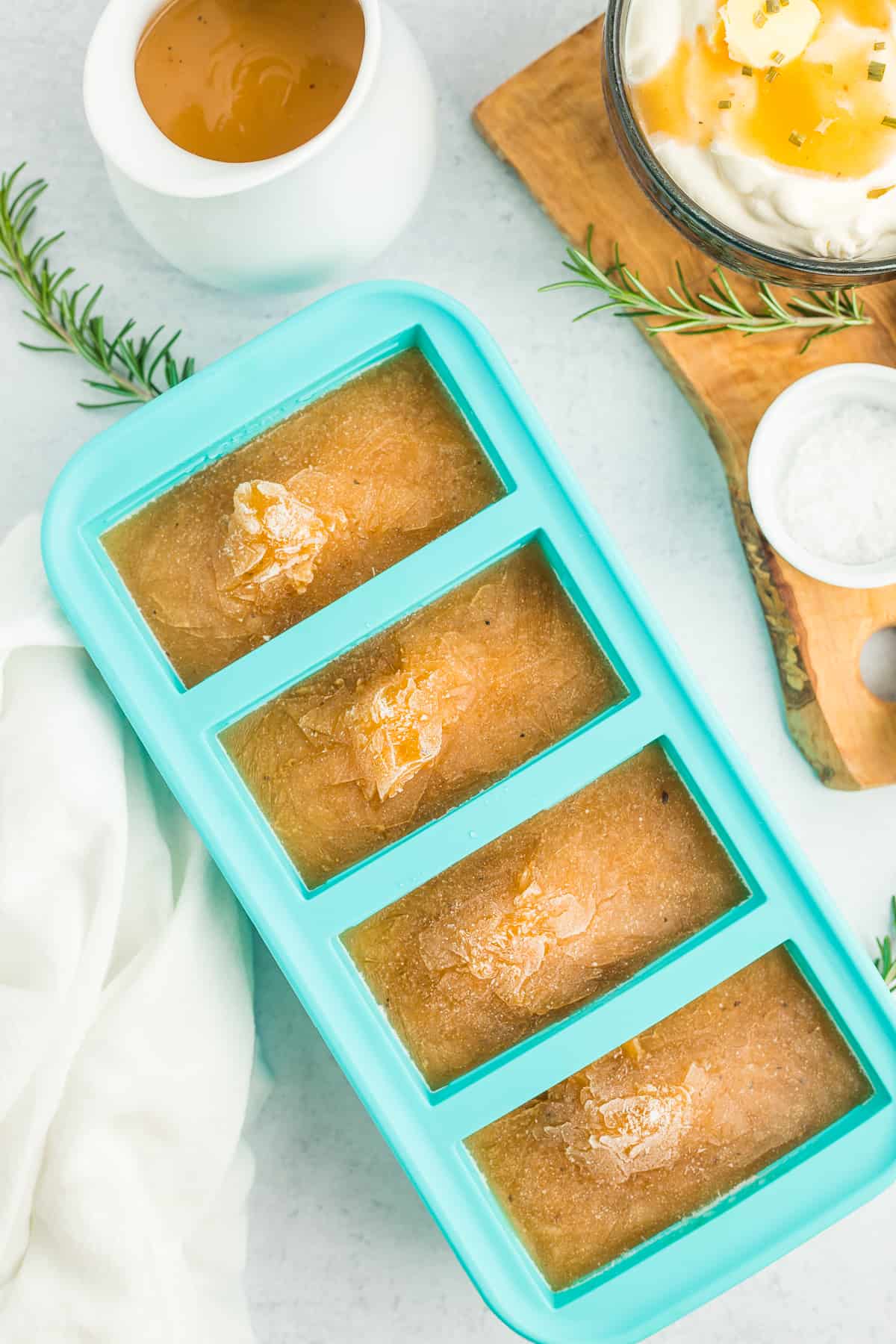
If you have a bunch of leftover gravy from the holidays or a big family meal, don’t let it go to waste! Let me teach you the easy way to freeze gravy so that you can have it available anytime you need it.
This tutorial will work for storebought or homemade gravy.
If you love the idea of make-ahead ingredients/dishes that allow for quick weeknight meals, check out our Prep Once, Cook Twice book. This meal prep solution is designed for busy people just like you.
Can You Freeze Gravy?
Yes, you sure can! Gravy freezes very well, and it’s also super easy to defrost and reheat.
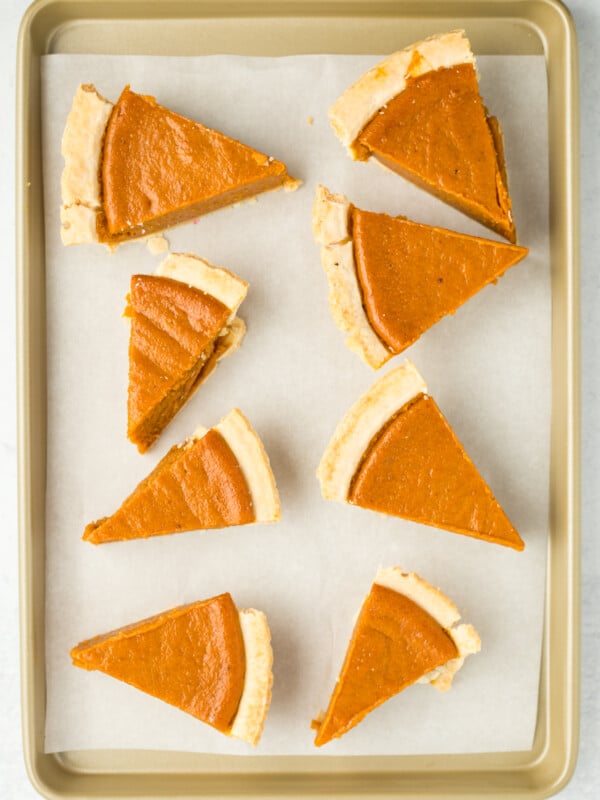
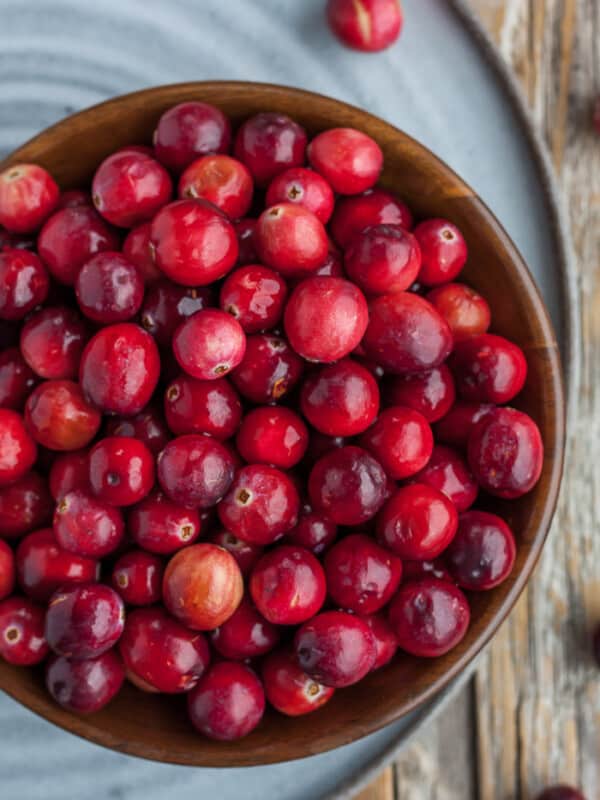
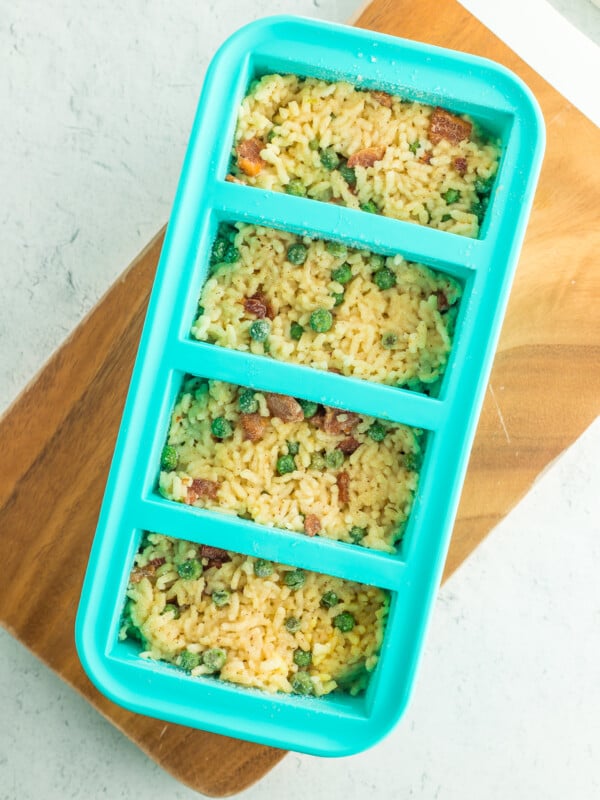
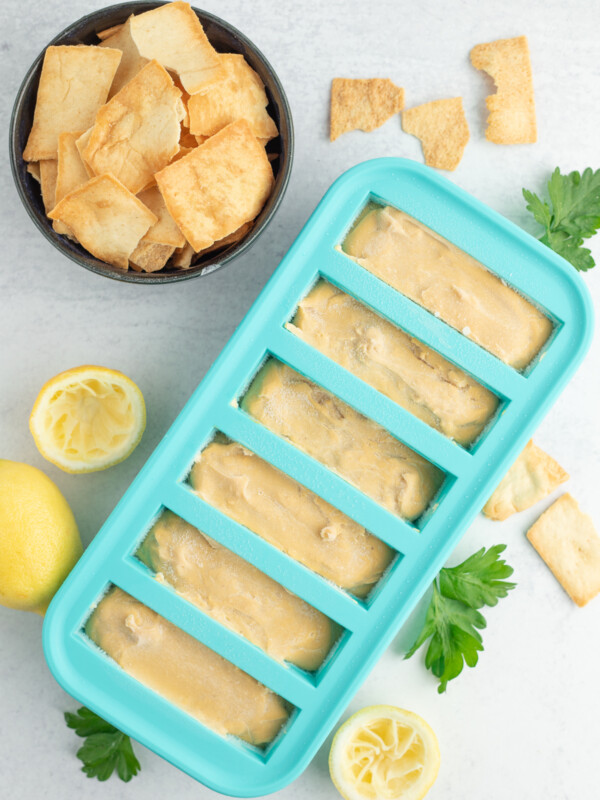
You may also want to check out How to Freeze Pumpkin Pie, Freezing Mashed Potatoes, How to Freeze Cranberries, and all our other Make-Ahead Thanksgiving Dishes.
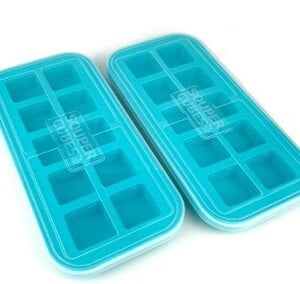
I would use 1-cup or 2-cup Souper Cubes or quart-sized freezer bags for big portions.
And 1/2 cup or the 2 tbsp Souper Cubes would be perfect for individual portions. An ice cube tray or 4 oz jam jars would also work for small portions.
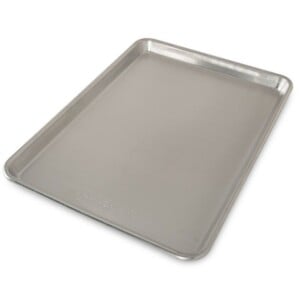
Place the containers flat in the freezer, and freeze until solid. Pro tip: if you’re freezing gravy in freezer bags, carefully remove excess air from the bags and place them flat on a baking sheet.
The total length of freezing time will depend on the size of the containers, but expect it to take 3-6 hours.
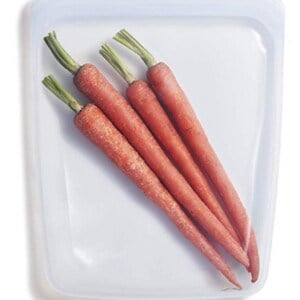
If you froze the gravy in ice cube trays or Souper Cubes, remove the frozen gravy and transfer it to freezer-safe storage. We love these reusable silicone bags. If you froze gravy in plastic freezer bags, you can store them stacked to save space.
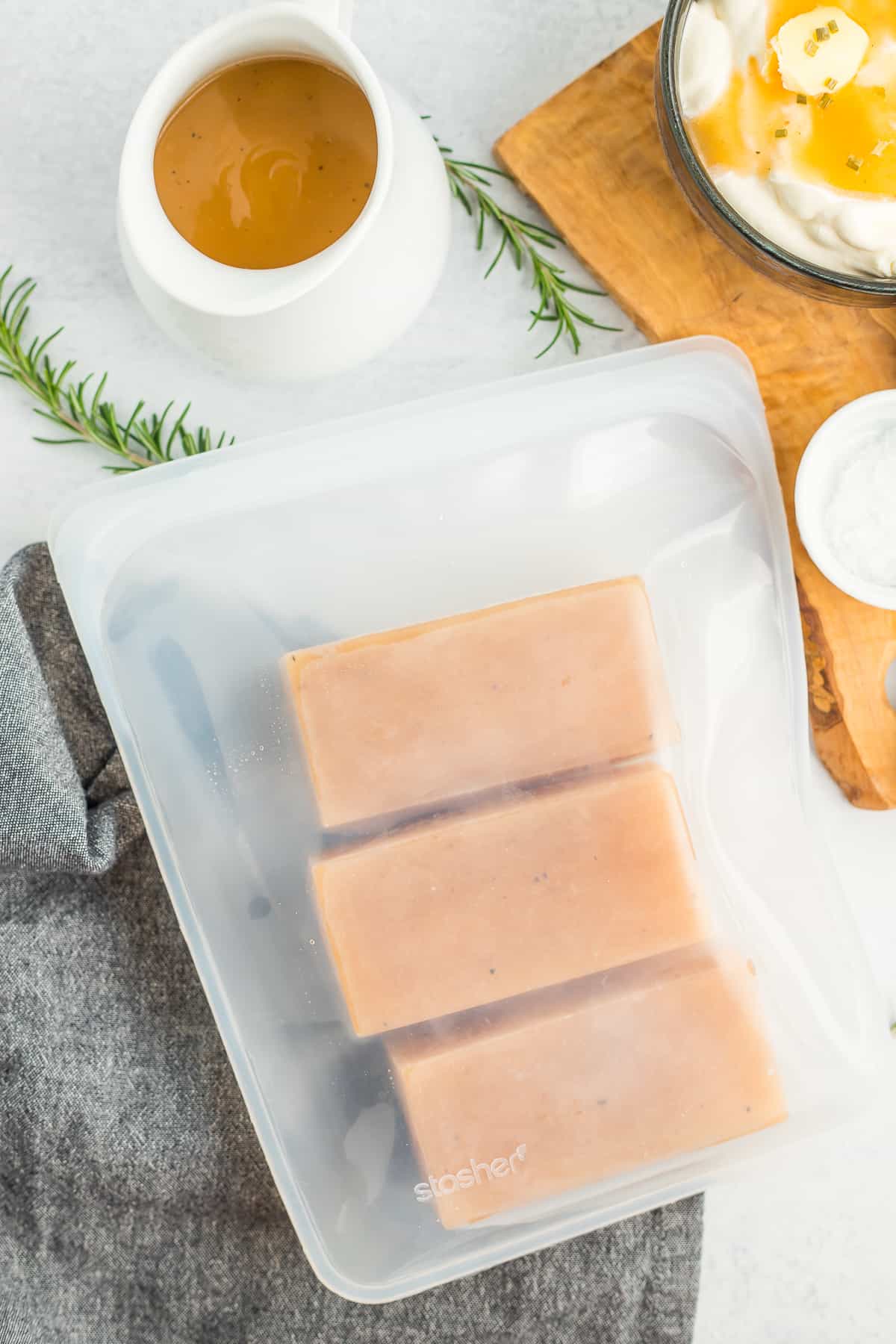
How to Reheat Frozen Gravy
If possible, allow the gravy to thaw overnight in the fridge or for a few hours at room temperature. You can reheat fully frozen gravy if needed, but be careful to heat it over low heat to prevent scorching.
Place gravy in a small saucepan and reheat over low heat until heated through, ~5 minutes.
Or, place it in a microwave-safe bowl and cook for 1 minute at a time until heated through, stirring or breaking apart ice chunks between each session in the microwave.


Get my Canning e-book!
It’s 51 pages of every helpful tip and trick you could want as a brand new canner, AND it includes 13 ad-free canning recipes that are designed to take you from novice to pro.
Freezing Gravy
Equipment
Ingredients
Instructions
- Allow the gravy to fully cool in the fridge.
- After the gravy has fully cooled, divide it into portions that make sense for your future needs.
- Freeze in ice cub trays, plastic freezer bags, silicone freezer trays, small canning jars, etc.
- Freeze for 3-6 hours.
- If you froze the gravy in ice cube trays or silicone freezer trays, remove the frozen gravy and transfer it to freezer-safe storage.
- If you froze gravy in plastic freezer bags, you can store them stacked to save space.
Notes
- If possible, allow the gravy to thaw overnight in the fridge or for a few hours at room temperature. You can reheat fully frozen gravy if needed, but be careful to heat it over low heat to prevent scorching.
- Place gravy in a small saucepan and reheat over low heat until heated through, ~5 minutes.
- Or, place it in a microwave-safe bowl and cook for 1 minute at a time until heated through, stirring or breaking apart ice chunks between each session in the microwave.
- Frozen gravy will last for 4-6 months in the freezer.
Nutrition
Nutrition information is automatically calculated, so should only be used as an approximation.
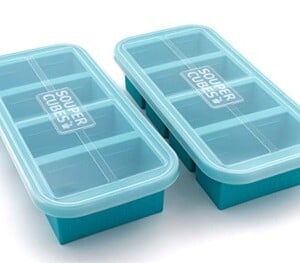








OMG, I love those souper cubes. I must buy!
I love SO many Souper Cubes and I love them all!
With regards to freezing and then thawing gravy.
Why does my reheated frozen gravy lose it s creamyness. (Turns to a soup texture.)
Must I use Flour over Cornstarch or visa versa when making my gravy?
Hi Lynn, without knowing your actual recipe, it’s hard to say. All the gravy I have ever reheated has needed a good whisking to get back to the normal texture. Fat and “everything else” can separate when reheating. Whisking or using an immersion blender if you have one should reconstitute it.