

As an Amazon Associate, I earn from qualifying purchases.
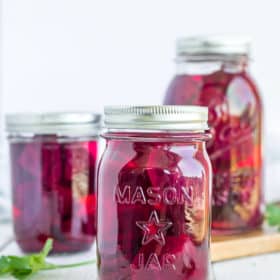
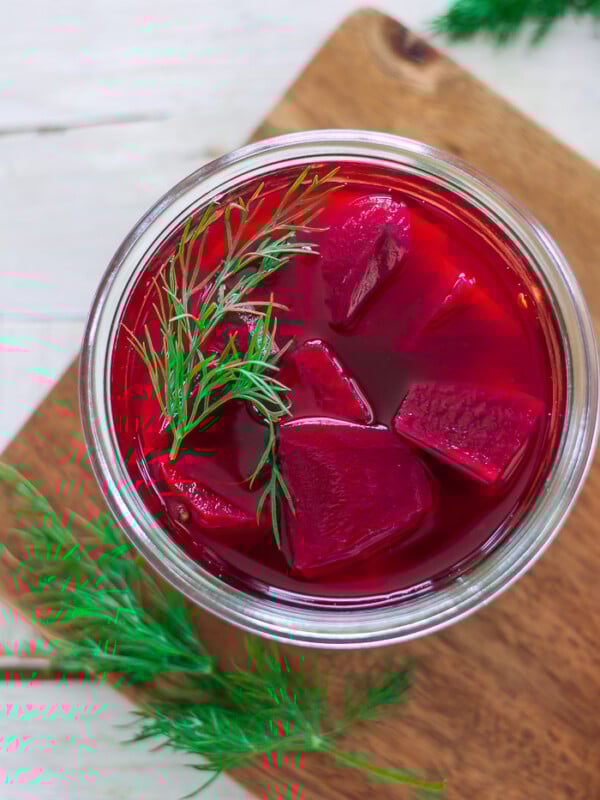
Follow this step-by-step tutorial to learn how simple canning beets can be. Having plain canned beets on hand means tasty side dishes can be ready in a flash.
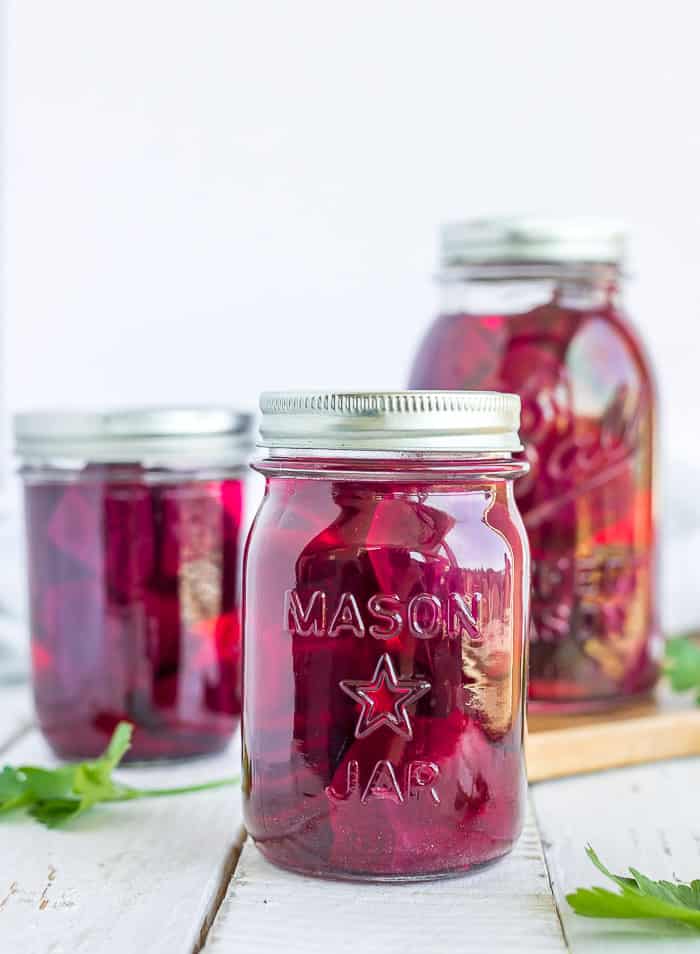
Beets are such a delicious and hearty root vegetable that can be the base of many amazing dishes. They’re also incredibly easy to can, and I’ll show you how.
If you’d prefer a canned pickled beets recipe, check out our tutorial on pickled beets recipe.
Can Beets Be Canned in a Water Bath?
Sadly, no. You cannot safely can beets in a water bath canner. Beets, like all low-acid vegetables, must be preserved using a pressure canner.
You’ll want to look for small to medium-sized beets that are 1-2 inches in diameter. Beets larger than that tend to be tough and fibrous. Smaller baby beets can be canned whole. Medium-sized beets can be sliced or cubed to your preference.
HOW TO CAN BEETS
*I’ll walk you through the process here in photos because it really helps, especially if you’re new to canning. At the bottom of the post, you’ll also find a printable and detailed recipe card.
Wash and clean your jars. It is no longer necessary to sterilize jars before canning (hurray!) but you should make sure they are preheated enough to not crack when placed in hot water.
You can put them in a clean dishwasher and run them through a quick wash cycle, or place them in a large pan with some water in a low-heat oven (my lowest temp is 170˚F degrees) until you need them. I’ve even just put super hot tap water in them before and left them on the counter.
Wash your lids with hot soapy water and place them in a clean bowl for now.
Many recipes will recommend you boil beets for 15-20 minutes with the leaves removed and the roots and the base of the stem attached. This is meant to keep the color from bleeding out too much. After that, you can remove the skin, root, and stem.
I prefer to flip the process on the head and peel BEFORE cooking. I don’t mind the color loss, it’s easier, and you don’t burn your hands on lava hot beets.
And rather than boiling them on the stove in a large pot (which you absolutely can do!), I prefer to cook all my beets for canning following the instructions here for Instant Pot Beets. You can cook a ton at once and don’t have to babysit the pot. Either process works!
Add 3 quarts of water to your pressure canner and put it on a burner set to high. Make sure there is a canning rack in the bottom of the canner.
Add the hot cooked beets to your jars. Then carefully ladle in clean boiling water (not the water used to boil the beets), leaving 1-inch of headspace at the top of the jars.
Using a long utensil (I prefer a plastic chopstick), remove all the air bubbles from the jar. Clean the rim of the jar very well with a hot damp rag. Any food debris left on the rim may impact the seal of the lid in the canner.
Place a clean lid on the jar. Add a ring, and tighten to fingertip tight.

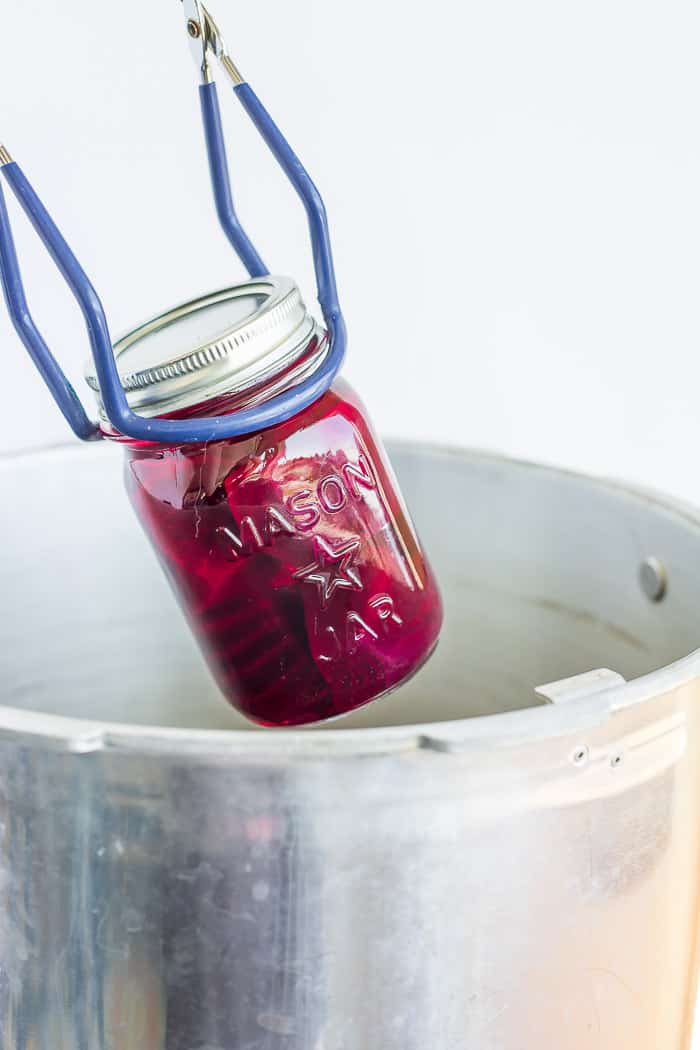
Using canning tongs, place the jars in the canner.
Lock the lid. Soon, steam will start coming through the vent pipe (I call it the steam chimney). Allow the steam to pass through for about 10 minutes. Then put the pressure regulator (I call it the chimney cap) on top.
Pretty soon, the air vent will pop up. That is a sign that you’re starting to build pressure inside the canner. Get excited, nerd!
Under normal conditions, beets need to be pressure canned at 11 pounds of pressure for 30 minutes for pints and 35 minutes quarts. See chart below for any changes to processing times.
Pressure Canning Beets in a Dial-Gauge Pressure Canner
| Canner Pressure (PSI) at Altitudes of | ||||||
| Style of Pack | Jar Size | Processing Time | 0-2,000 ft | 2,001-4,000 ft | 4,001-6,000 ft | 6,001-8,000 ft |
| Hot | Pints | 30 min | 11 lbs | 12 lbs | 13 lbs | 14 lbs |
| Quarts | 35 min | 11 lbs | 12 lbs | 13 lbs | 14 lbs | |
| *Source: National Center For Home Food Preservation | ||||||
Processing Time for Beets in a Weighted-Gauge Pressure Canner
| Canner Pressure (PSI) at Altitudes of: | ||||
| Style of Pack | Jar Size | Processing Time | 0-1,000 ft | Above 1,001 ft |
| Hot | Pints | 30 min | 10 lb | 15 lb |
| Quarts | 35 min | 10 lb | 15 lb | |
| *Source: National Center For Home Food Preservation | ||||
When the dial gauge reaches the appropriate PSI, reduce the burner temp to medium, and start your timer. The pressure must stay at the PSA or (a little bit) above for the duration of the cooking time. You’ll likely need to adjust the temp on the burner a few times depending on your stove.
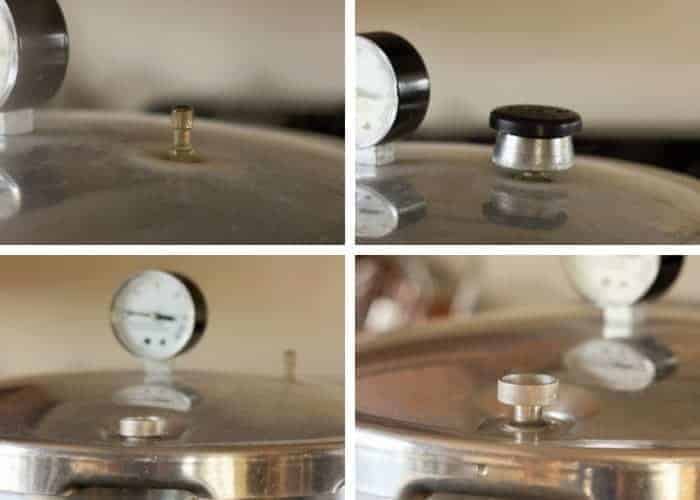
When the time is up, remove the canner from the burner and allow it to sit until you hear a distinctive “click” of the air vent dropping. Remove the pressure regulator and carefully remove the lid of the canner (Pro tip: I always use oven mitts when I take the lid off because the steam is super hot). Let the jars sit in the canner with the lid off for 5 minutes.
Place hot jars on a towel where they can sit undisturbed for 12 hours.
After a few hours, to check for sealing, gently press down in the middle of the lid. If the lid has no give, it’s sealed. If you can press the lid in and it pops a bit, your jars are not sealed.
Help, why are my jars leaking?
If you find that water/beet juice has leaked out after they have sealed, you have experienced a common canning issue called siphoning. It happens to the best of us!
Siphoning is typically caused by not allowing the jars to rest in the canner after they have finished processing. In the directions, you’ll see that I recommend you remove the canner from the burner, remove the lid of the canner, and let it sit for 5 minutes.
This is important as it allows the jars time to rest before being allowed to cool on the counter. Doing this process will significantly cut down on siphoning.
IF YOU HAVE SIPHONING IN YOUR JARS, FOLLOW THESE STEPS:
- Check – are the lids still sealed?
- Look – have you lost less than half of the amount of liquid in the jar?
- Examine – do the beets still look fresh with bright colors?
If the answer to the above three steps is “yes!”, then they are safe to eat.
PRO TIPS/RECIPES NOTES
- You can add salt to each jar prior to canning it. Use pickling salt and add 1 tsp per quart. Personally, I find the unsalted version more versatile to use in recipes because it allows me to control the overall sodium.
- Pressure canners can often leave white lines on lids and rings. It’s totally normal and safe. To prevent this, add 1/3 cup of white vinegar to the canner before processing.
- Once the jars have sealed, remove the rings. Label and store sealed jars in a cool (best results are 50-70˚F) dark place for up to 12-18 months.
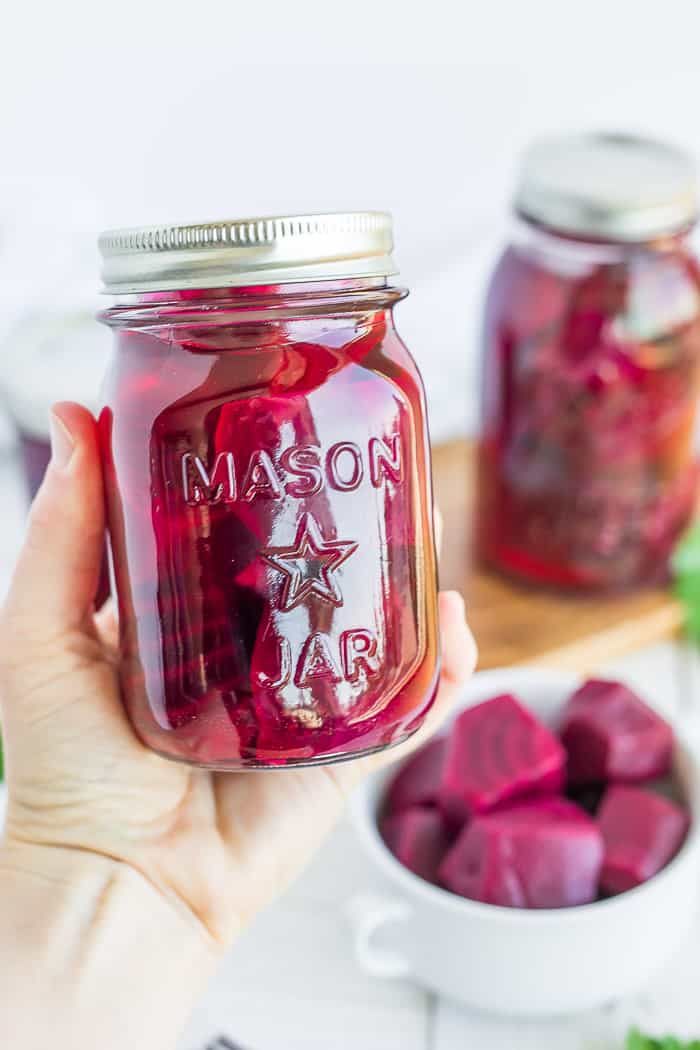
Easy Canned Beets Recipe
Ingredients
- 14 lbs beets
- water
Instructions
- Wash and sanitize your jars. You’ll want to keep them warm to avoid having them crack when placed in the canner. You can fill them with hot water, or place them on a tray in the oven at 170˚F.
- Wash your lids with hot soapy water and place them in a clean bowl.
- Choose beets 1-2 inches in diameter.
- Cut the root and stem end off, and use a knife to remove the skin.
- Boil in water in a large saucepan for 15-25 minutes until a knife can easily pierce the beet. Strain beets.
- Set a separate medium pot of water to boil on the stove.
- Add 3 quarts of water to your pressure canner and put it on a burner set to high. Make sure there is a canning rack in the bottom of the canner.
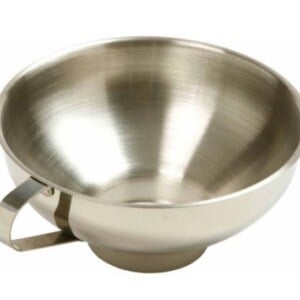
- Place a funnel on a canning jar, and place hot beets in the jar.
- Carefully ladle in clean boiling water (not the water used to boil the beets), leaving 1-inch of headspace at the top of the jars.
- {optional}: add 1 tsp of salt per quart or 1/2 tsp salt per pint.
- Use a long utensil (I prefer a plastic chopstick), to remove all the air bubbles from the jar.
- Clean the rim of the jar very well with a hot damp rag.
- Place a clean lid on the jar. Add a ring, and tighten to fingertip tight.
- Using canning tongs, gently place the jars in the canner.
- Lock the lid. Soon, steam will start coming through the vent pipe. Allow the steam to pass through for about 10 minutes. Then put the pressure regulator on top.
- Pretty soon, the air vent will pop up.
- In a dial-gauge pressure canner, process pints and quarts based on the elevation guide below:*0-2,000f ft {PSI: 11 lbs of pressure} = Pints: 30 min, Quarts: 35 min*2,001-4,000k ft {PSI: 12 lbs of pressure} = Pints: 30 min, Quarts: 35 min*4,001-6,000k ft {PSI: 13 lbs of pressure} = Pints: 30 min, Quarts: 35 min*6,001-8,000k {PSI: 14 lbs of pressure} = Pints: 30 min, Quarts: 35 min
- When the dial gauge reaches the appropriate PSI, reduce the burner temp to medium, and start your timer. The pressure must stay at the PSI or (a little bit) above for the duration of the cooking time. You’ll likely need to adjust the temp on the burner a few times depending on your stove.
- When the time is up, remove the canner from the burner and allow it to sit until you hear a distinctive “click” of the air vent dropping. Remove the pressure regulator and carefully remove the lid of the canner (Pro tip: I always use oven mitts when I take the lid off because the steam is super hot).
- Let the jars sit for 5 minutes in the canner and then lift them out with canning tongs. Pro tip: allowing the jars to sit in the canner with the lid off can help reduce the siphoning of liquid in your jars.
- Remove with canning tongs and place on a towel where they can sit undisturbed for 12 hours.
- After a few hours, to check for sealing, gently press down in the middle of the lid. If the lid has no give, it’s sealed. If you can press the lid in and it pops a bit, your jars are not sealed.
Notes
- Once the jars have sealed, remove the rings. Label and store sealed jars in a cool (best results are 50-70˚F) dark place for up to 12-18 months.
- 14 lbs is needed for 9 pints or 21 lbs for 7 quarts. If you have fewer beets, you can safely process fewer pints.
Nutrition
Nutrition information is automatically calculated, so should only be used as an approximation.
Get my Canning e-book!
It’s 51 pages of every helpful tip and trick you could want as a brand new canner, AND it includes 13 ad-free canning recipes that are designed to take you from novice to pro.






Hi Sarah,
How much do you know about the electric canners?
Best regards,
Kevin
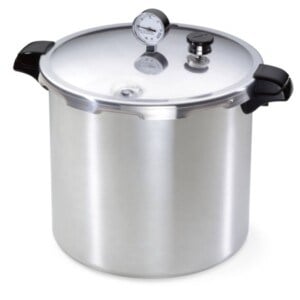
Hi Kevin, I purchased one last year but haven’t had much of a chance to use it. They’re a fantastic option for people who don’t have the stove capacity for a pressure canner and/or have induction stovetops.
I have the presto electric canner and it’s definitely the way to go!! I won’t pressure can without mine. I also use it to waterbath can. SO easy!